Automotive Software Platform Development Support
Automotive Software Platform Development Support
We support the bring-up and evaluation of new automotive SoCs and software platforms, reducing risk from the earliest stages of development. Our scope ranges from OS bring-up (QNX, Linux, etc.) and embedded test environment setup to CI/CD integration, performance validation, and defect analysis. We also build the development infrastructure itself, along with frameworks for knowledge sharing.

Key Techniques
- OS bring-up and customization (QNX, Linux, etc.)
- Automated test frameworks for QNX-based embedded systems (cross-compilation, test reporting via HTML and Jenkins)
- System verification triggered by code changes through CI/CD integration (GitHub Actions, etc.)
- SoC performance validation (real-time verification, latency evaluation, power measurement support)
- RAG-based knowledge systems that turn tacit knowledge into shared organizational knowledge
FEATURES
Bring-Up Support for New SoCs and Platforms
We support the bring-up and evaluation of new SoCs and software platforms, accelerating early-stage decisions through proof-of-concept work, architecture selection, and parameter validation. We handle everything from evaluation board and OS bring-up to embedded test environment setup, so your team can focus on application development. The result is less rework and shorter development timelines.

Automated Testing and Quality Analysis for Embedded Systems
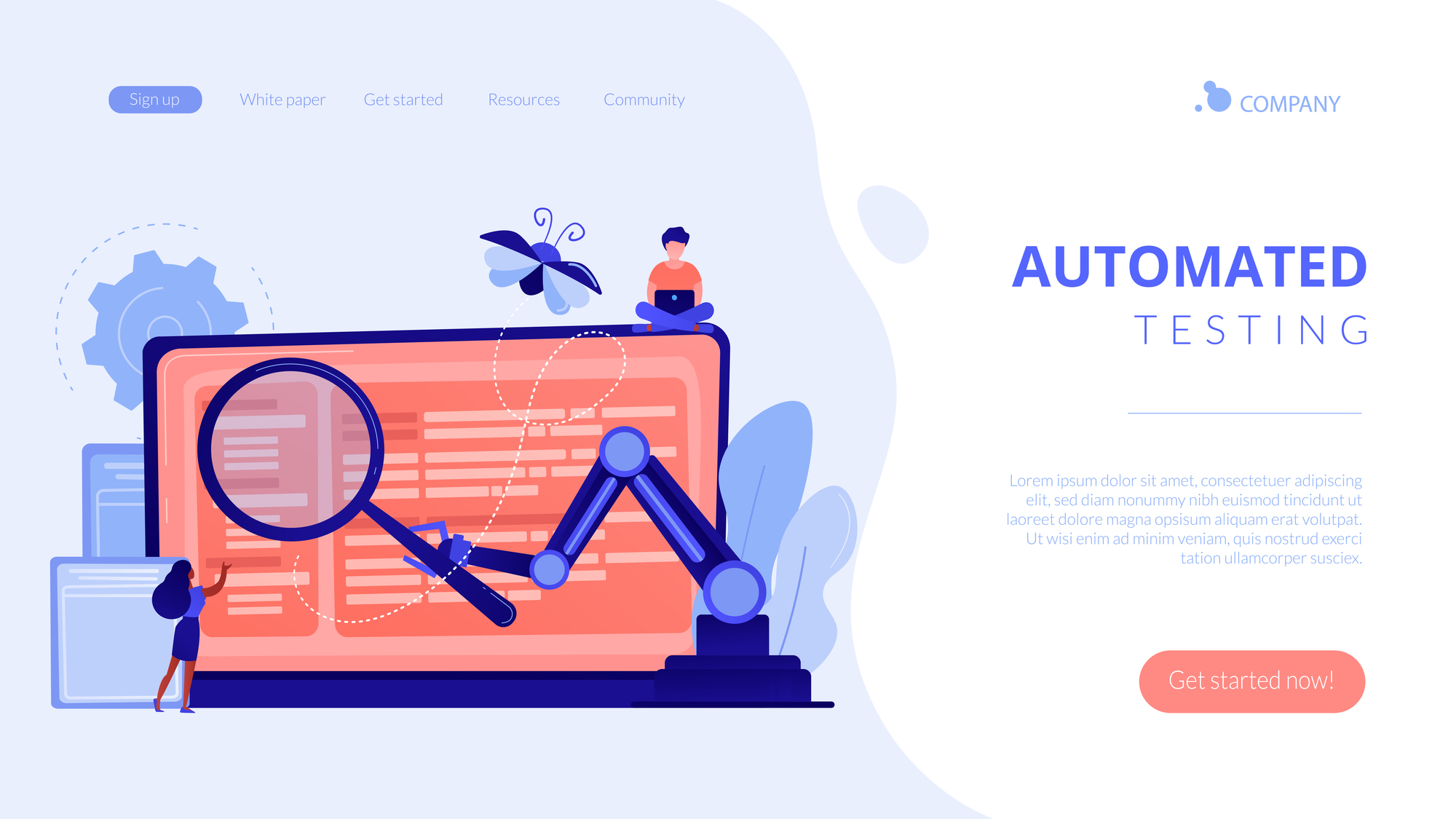
By adapting standard Linux test frameworks, we build automated test environments for QNX-based embedded systems. The entire flow is automated, from cross-compiling test programs and running them on the target to reporting results via HTML and Jenkins, and integrated with CI/CD. We also visualize processing time and memory usage at the OS and system levels, streamlining the initial triage of defects.

Capturing and Sharing Team Knowledge
We capture tacit knowledge that never makes it into deliverables, such as troubleshooting insights, project-specific terminology, and know-how, and preserve it as shared organizational knowledge through wikis and RAG-based knowledge systems. Development documents, manuals, and tips are stored in a searchable form, so critical knowledge doesn’t stay locked with individual engineers. This raises productivity and quality across your entire development team.